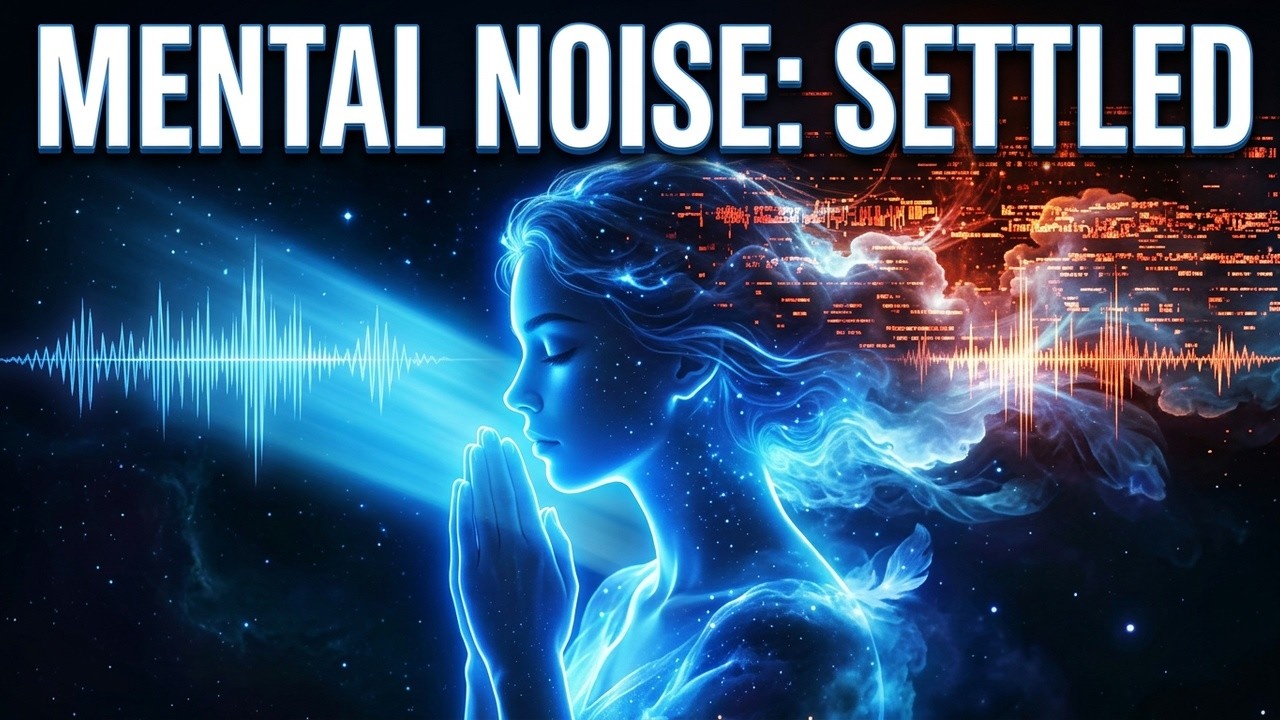
Most calming music reaches both of your ears at once, and your brain treats it as one sound. Bilateral audio is different. It alternates, left, then right, then left again, and that gentle back-and-forth asks your brain to do something it rarely gets to do: track one sound moving between two places.
That simple movement is the foundation of this video. Three hours of bilateral EMDR frequencies, layered over a calming 432Hz soundscape, built to settle mental noise, regulate the nervous system, and carry you into deep relaxation or sleep. Below I explain what bilateral stimulation actually is, why it works, and how to listen.
What bilateral stimulation actually is
EMDR, which stands for Eye Movement Desensitization and Reprocessing, is a therapy approach used around the world to help people process traumatic memories. During sessions, a therapist guides a client's eyes back and forth, or taps alternating sides of the body, while the client brings a difficult memory to mind. The alternating left-right pattern is called bilateral stimulation, and it is the part of EMDR that researchers have studied most closely.
Nobody fully understands why it works, but the leading explanation is that the back-and-forth rhythm taxes the brain's working memory just enough. While part of your attention follows the movement, the emotional charge of whatever you were ruminating on has less room to dominate. People often describe memories feeling farther away or less loud after bilateral work, as if the volume knob on the whole experience turned down.
The audio in this video brings that same alternating pattern into your headphones. One ear receives a tone, then the other, in a slow, steady rhythm. You do not have to do anything with it. Your brain follows the movement on its own.
Why it settles mental noise
Racing thoughts are not a volume problem. They are an attention problem. When your mind is loud, your attention is gripping one worry, then the next, then back to the first, with nothing to interrupt the loop. Anxiety thrives on that kind of single-track focus.
Bilateral sound breaks the loop differently than distraction does. A podcast or a video replaces one train of thought with another. The alternating tone gives your attention somewhere to rest that asks for almost nothing. Part of your brain quietly tracks the movement from ear to ear, and the part that was spinning has less fuel to keep spinning.
Many listeners tell me the mental noise does not stop so much as recede, the way a crowded room quiets when a soft, steady rain starts outside. The thoughts are still there if you look for them, but they stop demanding to be answered.
There is also a body effect. Slow bilateral rhythms tend to slow the breath, and a slowed breath signals the nervous system that no emergency is in progress. That is why this kind of audio pairs so well with grounding techniques for anxiety and with any meditation or mindfulness practice.
An honest word about what this can and cannot do
EMDR with a trained therapist is an evidence-based treatment for trauma and PTSD, and I want to be precise about the difference between that and what a video offers. Listening to bilateral audio at home is not EMDR therapy. It can be a genuinely useful support for calming, grounding, focus, and sleep, and many therapists even recommend bilateral audio between sessions, but it does not replace working through trauma with a professional.
What it can do is simpler and still valuable. It can give you a reliable off-ramp when the noise in your head peaks. It can support your nervous system during a stressful evening. It can help you fall asleep on nights when your mind refuses to stop rehearsing the day. Used regularly, it becomes a tool your nervous system recognizes, and the response gets faster each time.
If you are currently in therapy, mention bilateral audio to your therapist. If you are carrying something heavy on your own, this is a companion for the hard moments, not the whole road.
How to listen tonight
Headphones matter for this one. The left-right alternation only works the way it should when each ear gets its own channel, so put headphones or earbuds on before you press play.
For anxiety or a racing mind, sit or lie down somewhere quiet, close your eyes, and follow the sound from ear to ear for five or ten minutes. Do not try to relax. Just track the sound and let it do the rest.
For sleep, start the video 30 minutes before bed and let it run. Three hours of play means it covers the part of the night when mental noise usually breaks sleep, and if you wake up, the sound is still there to fall back under to.
It also works as background for journaling, stretching, or any moment when you want your body calmer than your schedule usually allows.
Watch Bilateral EMDR Frequencies
Press play, put your headphones on, and let the sound move while your mind settles. If it helps, subscribe on YouTube, because new healing frequencies go up every week.