I am going to describe something about you. If I get this right, it may explain the way you have lived for years. Generational trauma does not always begin with cruelty. Sometimes it begins with a tired parent, a distracted expression, or a child who learns to stop asking for attention.
A picture of your family
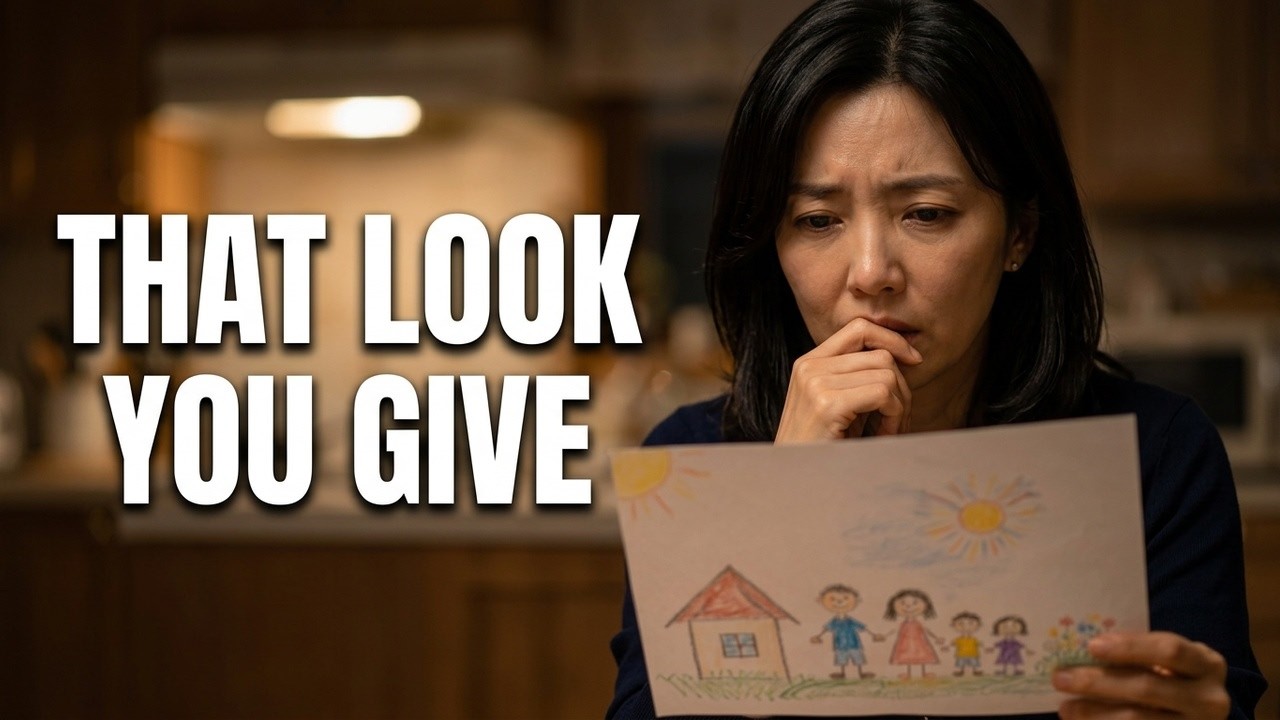
Picture yourself at 6 years old. You spent the entire afternoon drawing a picture of your family. You drew the house, the sun, your mother, your father and yourself standing together. Across the top, in big crooked letters, you wrote, I love my family.
You could not wait for dinner because you wanted your father to see it first. You carried it to the table with both hands, smiling before you even reached him. Then your elbow caught your glass, and milk spilled across the table. Your father shot up from his chair, grabbed your arm, yelled at you and marched you down the hallway to your room. The picture never left your hand, and he never looked at it. He never saw what you had spent all afternoon making.
The truth is, he was not reacting to the drawing. He was reacting to a bad day at work. But you were 6 years old.
Six-year-olds understand cause and effect
Six-year-olds do not understand stress. They do not understand deadlines, bills or the weight adults carry home with them. They understand cause and effect. Something happened, Dad got angry, I must have caused it.
From that day on, you became just a little more careful. The next time you wanted to show someone something, you waited. The next time you got excited, you held it in for a second, just to see if it was safe. The next time you wanted to say what you were thinking, you looked around the room before you spoke. You did not decide to become that person all at once. It happened one small adjustment at a time.
Easygoing, independent, low maintenance
Years passed. People started describing you with words like easygoing, independent and low maintenance. When someone asked how you were doing, your answer was always, I am fine. When they asked where you wanted to go, you smiled and said, anywhere is fine. When they asked if you needed help, you answered, I have got it.
Little by little, you became an expert at asking everyone else what they needed and forgot to ask yourself.
The false self
Psychologists have a name for this. They call it the false self. It is what can happen when a child learns that certain parts of themselves create conflict, so those parts are quietly packed away until they almost disappear.
She will remember your face
Now let me ask you something. If you have children, how many times has your daughter walked into the room excited to show you something, and you answered with the stress from your day instead of the excitement she brought into it? She will not remember the email you were answering, the bill you were paying or why you were distracted. She will remember your face. She will remember your voice. She will spend years deciding what those few seconds meant.
So tonight, if a little voice says, Mom, can I show you something, stop what you are doing, look at the drawing, listen to the story and smile before you speak. To you, it may only be a piece of paper. To her, it may become the voice she carries for the rest of her life.
Watch That Look You Give Your Kids? It Becomes Their Forever
This story is from Elara: How Losing Yourself Became the Road Back Home, written for the mother who is ready to understand the child she once was. The print edition and Little Elara, the version that helps young readers protect their voice and sense of worth, are available at the link in my bio.