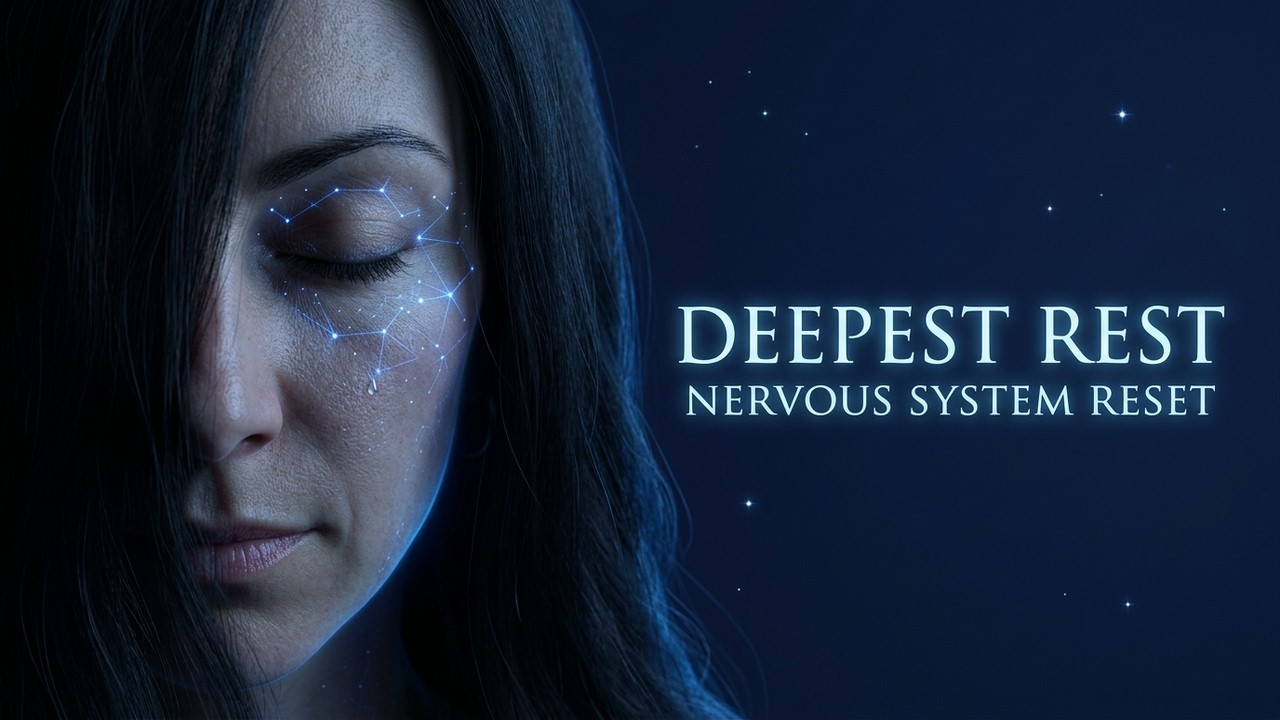
Most people who carry unhealed trauma do not think of themselves as traumatized. They think of what they went through as something that was not that bad, or as something they already handled because they stopped talking about it. Then they wonder why they snap at small things, why certain relationships feel harder than they should, why love and calm both seem to require more effort from them than from other people. Trauma does not always announce itself as trauma. Very often it announces itself as a personality, or as a way of reacting that was learned early and never re-examined.
How the brain files trauma
Imagine a child sitting in her room while there is violence between her parents down the hall. A song is playing on the radio. The situation is frightening, and her brain does something very sensible under the circumstances: it links the fear and the song together and files them in the same place.
That is how emotional memory works. It is stored quickly, in the part of the brain that handles threat, and it does not wait for a tidy narrative. Years later, that woman hears the same song in a grocery store and suddenly she feels anxious, emotional, and off, with no idea why. Nothing is happening to her. The reaction has nothing to do with the present moment, and it arrives anyway, at full force.
The same thing happens with a scent, a tone of voice, a phrase someone uses. A familiar cologne can transport a person back to a house she has not entered in decades. The body reacts before the mind has a chance to understand, and this is not irrationality. It is pattern recognition, and the nervous system learned the pattern the only way it could, by surviving it.
Why am I feeling this way when nothing is happening?
That question, asked about yourself with real confusion, is often the first honest sign that a trigger has fired. The reaction feels disproportionate to the moment, because it belongs to a different moment. What feels like an overreaction today is usually an old survival response arriving on time for an appointment that ended years ago.
If this has happened to you, the reaction has history, and knowing that changes the experience of it. You are not losing your grip. A song triggered a filing system that was built to keep a child alive. The feeling is real, and its origin is in the past.
How healing begins
In the video I keep the instruction deliberately small: pause and ask why you are feeling this right now. That pause matters more than it sounds. A trigger wants to move you from stimulus to reaction with nothing in between. The pause is where you get to notice that the song is just a song, the room is safe, and the feeling is old news arriving at a new address.
Take a breath. Slow the moment down. Name the reaction as history rather than information about today. That single act of recognition does not heal everything, but it is where regulation starts, and it is available to anyone willing to practice it.
For deeper reactions, for flashbacks that arrive often, or for trauma connected to violence or assault, this work is best done with a trauma informed professional alongside anything you do on your own. There is no shame in that. A nervous system that learned to survive a difficult childhood deserves real support while it learns that the emergency is over.
Watch How Your Childhood Shapes Your Reactions
I made this short because so many people spend years blaming themselves for reactions that were never character flaws in the first place. Understanding that a reaction has history turns self-criticism into something more useful, and it opens the door to actual healing.
If you have been searching for what trauma triggers are, why you feel anxious for no reason, or how childhood trauma affects relationships and the way you love, watch the short and then give the question it asks some real time. You deserve to heal what you went through, and you deserve to feel safe in your own mind. Otherwise, the past keeps deciding your present, and that is a decision better returned to you.
For a longer exploration of this subject, The REAL Matrix Reloaded audiobook goes deeper into the patterns we carry and how to begin unwinding them.