Little Elara used to dance everywhere. On the rug in the living room, in the hallway where the light came through the window, at the edge of the garden with the hose still running. Nobody had to ask her to. Music started and her body answered.
Then one afternoon she danced in front of people. Someone laughed. It may not have been unkind. It may have been a small laugh, the kind people do without thinking, but Elara heard it and something inside her closed.
After that she got careful. She danced less in rooms with other people and more in her own head, where she could still hear the song and keep still.
Why children stop dancing
In my new bedtime story, Little Elara and the Dance She Remembered, Elara does not decide to give up dancing. She decides to be safe, which is a different decision that looks the same from the outside.
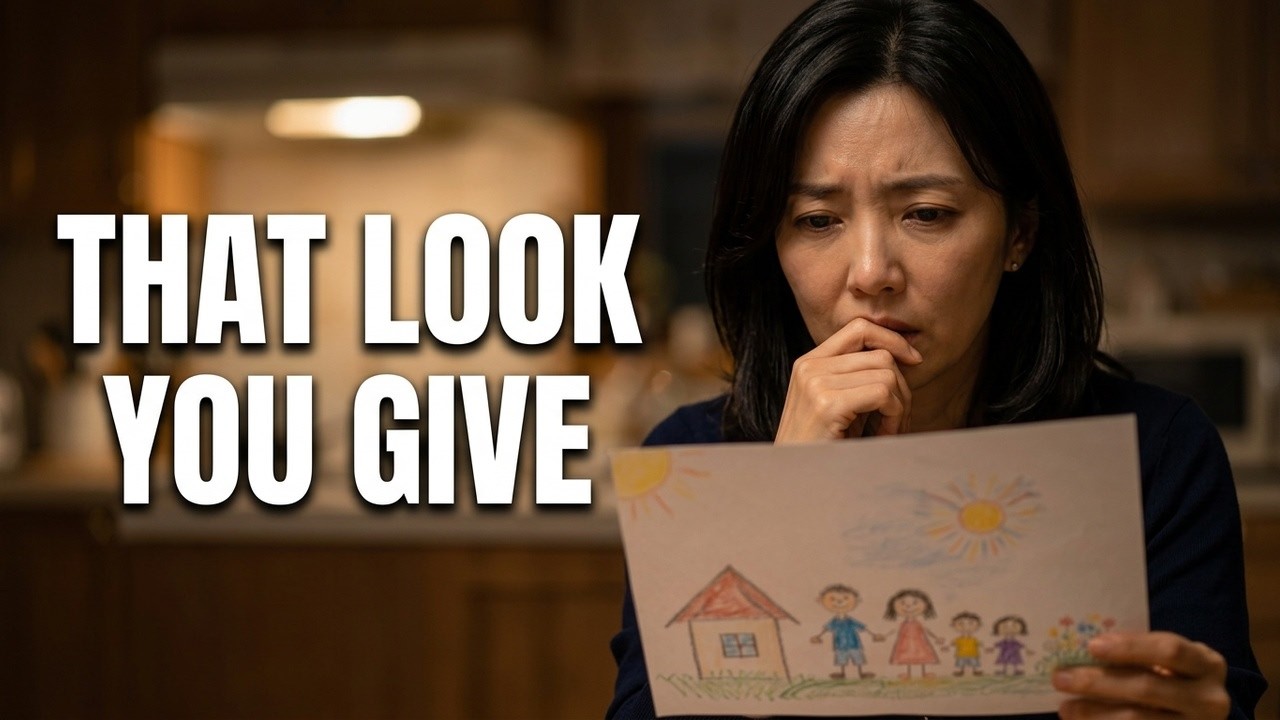
Children are rarely talked out of themselves in one big conversation. It happens in small moments. Someone laughs. Someone corrects their drawing. Someone asks them to sing quieter or sit still. The child takes the note and stores it, and after enough notes she starts editing before she moves.
Parents see the result later and call it a phase. She used to be so outgoing. She used to dance around the kitchen. What actually changed is that a five year old learned to watch herself from the outside, and once you are watching, it is very hard to let go.
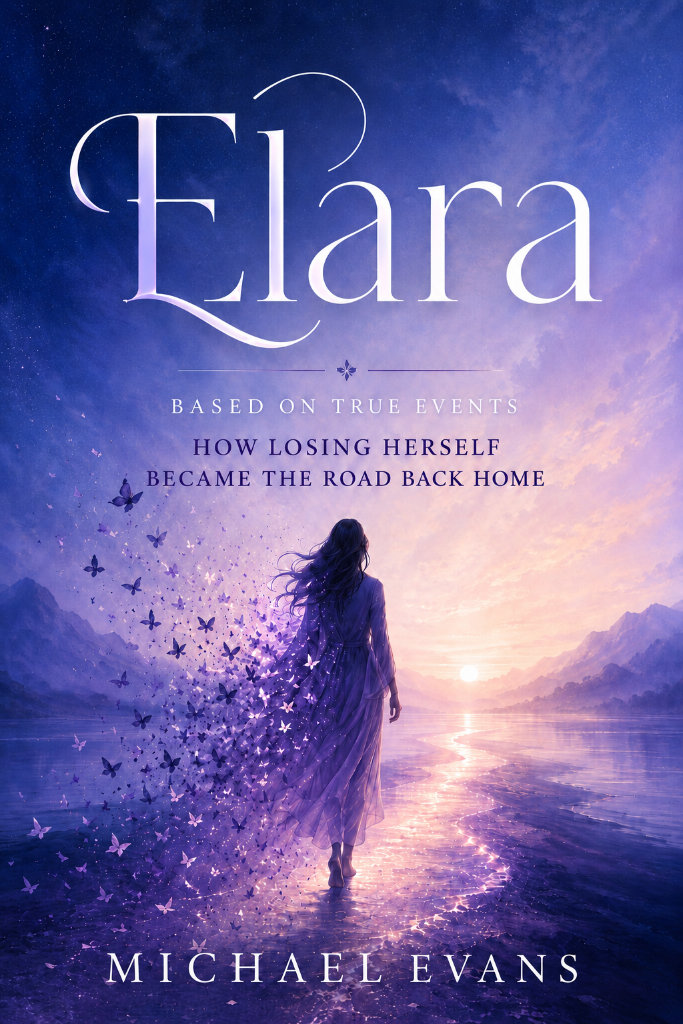
I wrote about the same pattern in Elara, the book for grown ups, because it does not stop at childhood. We rarely lose ourselves in one dramatic moment. We set ourselves down slowly, piece by piece, in rooms where someone once told us to be smaller.
Meeting the girl in the studio
In the story, older Elara walks into a dance studio and finds her younger self there. The small girl is dancing badly and happily, and she does not care who is watching.
The older Elara stands in the doorway and what she feels is not shame. It is recognition. She remembers that the girl is still in her, at the back of the room, waiting to be let out.
There is a line in the story that I would like every parent to hear on behalf of their own child. The freedom she once felt never left. She simply stopped reaching for it.
Kids understand that idea easily. They know the brave version of themselves from last summer is still around somewhere. What they rarely hear is that they are allowed to go back for her.
The song: I Was Never Gone
Four minutes into the video, the story becomes a song. It is called I Was Never Gone, and I wrote it for this film.
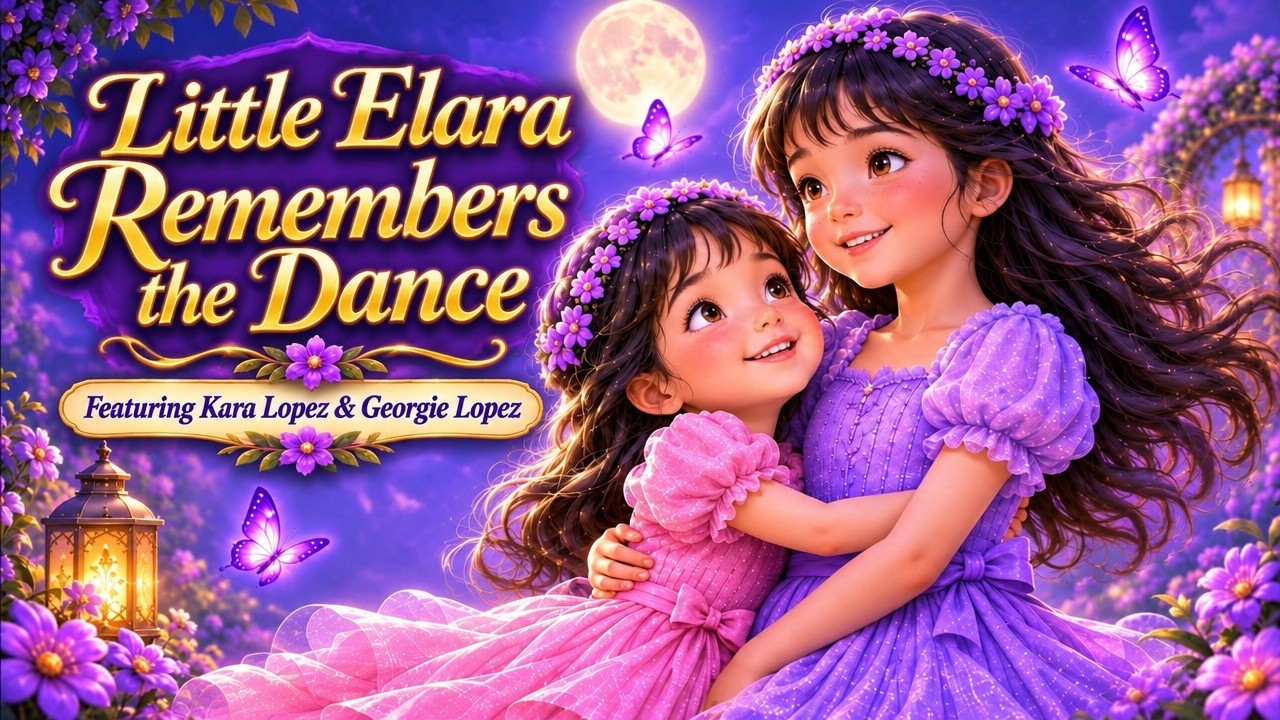
Kara Lopez sings the older Elara and her five year old sister Georgie sings the young one. They are sisters from the Philippines, and the duet works because you can hear that in their voices. Two people who know each other finishing each other's lines.
Kara plays the voice that has been through the years of being watched. Georgie plays the voice that never doubted. When they sing together, it is the reunion the story has been walking toward from the first scene.
If your child asks to hear it again, that is a good sign. A song carries a feeling better than a conversation, and this one will still be in her head at breakfast.
The music after the story
At eight minutes in, the story ends and the room goes quiet. What plays next is 432Hz deep sleep music, and it runs for the rest of the night with no ads in the middle.
Nothing about the audio gets louder or changes suddenly, which is the usual reason a child wakes up. A little one who stirs at two in the morning hears the same soft tone she fell asleep to and settles back down without needing you to come in.
Families use this part for toddlers who take a long time to fall asleep, for children who wake often, and for anyone in the house who wants the hallway noise covered. I have written before about why 432Hz sleep music suits an overthinking mind. Children respond to it the same way, mostly because nothing about it asks for their attention.
How to use this tonight
Start the video during the wind down, before your child is overtired, and watch it together if you can. The story is short and the song is worth staying for.
Afterward, ask one small question. Was there ever a time you stopped doing something you loved? Then listen without rushing to fix it. The story has already said the important part.
Then leave the music playing and turn the lights down. Keep the volume low, keep the room dim, and let it run all night so nobody has to reach for a phone again.
If you want more of her story, the full Little Elara book is available, and the free eBook version is there as well. The Little Elara bedtime stories playlist holds the other videos, each with a lesson worth carrying into sleep.
Watch Little Elara and the Dance She Remembered
Somewhere in your child is a girl or a boy who dances badly and happily and does not check the mirror first. My hope for this story is that she stays within reach.
Press play tonight, and tell me in the comments which part your little one asked to see again.