For the past several years I have said no to nearly every brand that approached me. The offers usually arrived with a script, a discount code and a request to place a product in a video where it had no business being. A few of them were generous, and I declined those too, because a channel built on sleep audio and stories about recovery loses something when the middle of a quiet video turns into a sales pitch.
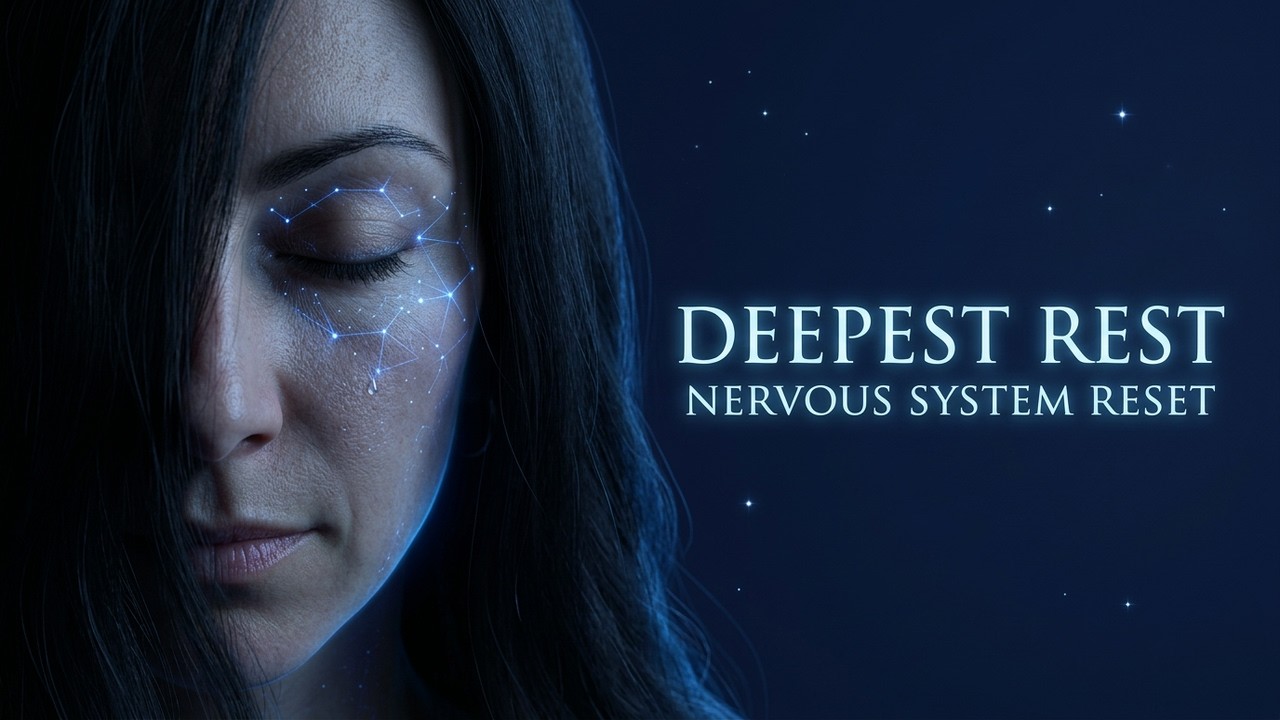
As of today the channel is open to a limited number of paid partners. This is the first time I have offered advertising publicly, and the terms are deliberately narrow. The audience is mostly women, a large share of them live in Asia, and what they come for is sleep, calm and long form storytelling. Work with that and the placement earns its place in the video. Work against it and no budget will fix the result.
The formats, the pricing and the application form are all on the paid brand collaborations page of this site. What follows is the reasoning behind each of them, along with the numbers a brand needs before it decides whether this channel is worth a conversation.
Why I am opening the channel now
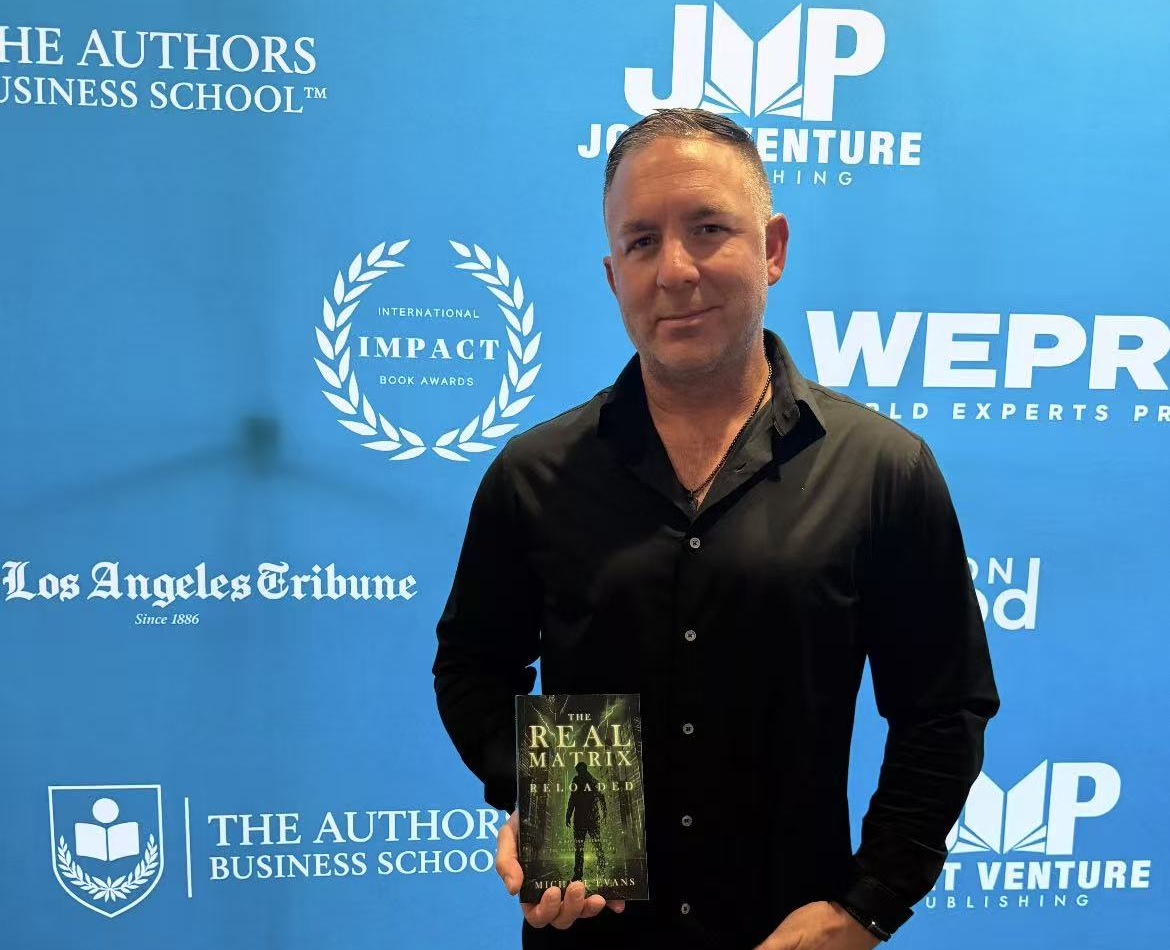
I have funded this work from a security company for twenty one years. USPA Nationwide Security grew into a network of contractors working government and private assignments on six continents, and the profits paid for Kingsman Philanthropic Corp, the organization that locates missing girls and helps women leave trafficking situations. That arrangement is also why the books, the audiobooks and the sleep videos have never carried a price. Readers and viewers were never the customers.
Production costs have grown along with the channel. The sleep videos run for hours, the audiobook editions required studio time, and the articles now take days rather than evenings. Advertising covers that cost without putting a paywall in front of a woman who found the channel at two in the morning because she could not sleep.
There is also an honest version of advertising that improves the experience. A brand that belongs in a video, announced once and then left alone, disrupts less than a channel that interrupts its own atmosphere every eight minutes to sell something unrelated to why anyone pressed play.
Who watches this channel
Brands looking for YouTube collaborations with a large female audience in Asia generally want to know where the viewers are before they ask anything else, and the honest answer is that the channel sits in a fairly specific place. It passed 3.7 million subscribers this year. Lifetime views are above 84 million, with 1.8 million in the most recent reporting period and 480,400 engaged views on top of that. Watch time over the same period came to 108,100 hours, and the channel gained 18,800 subscribers.
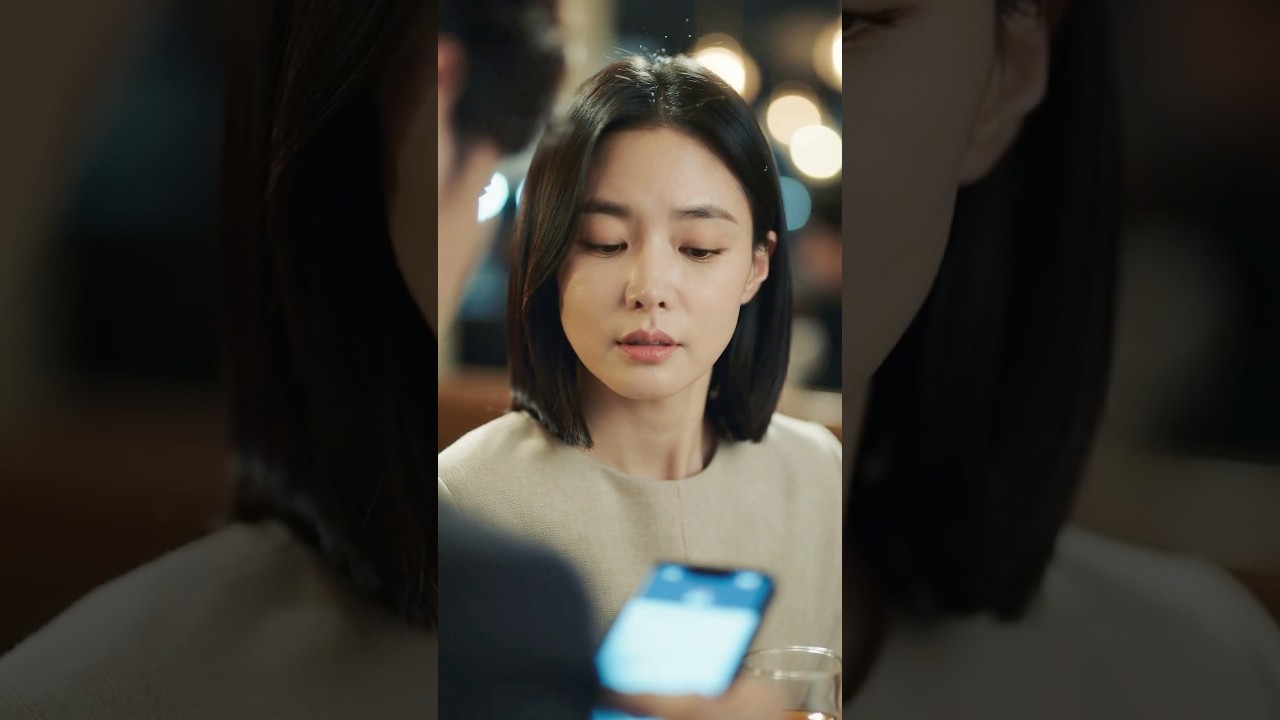
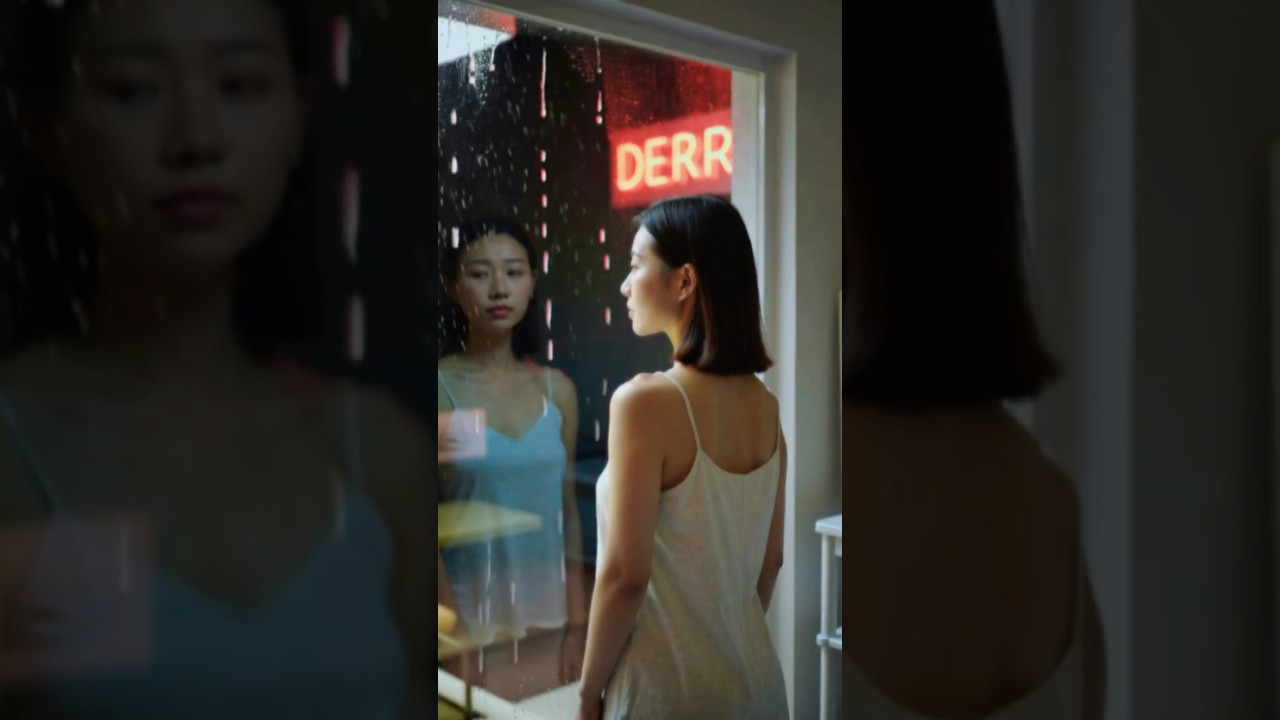
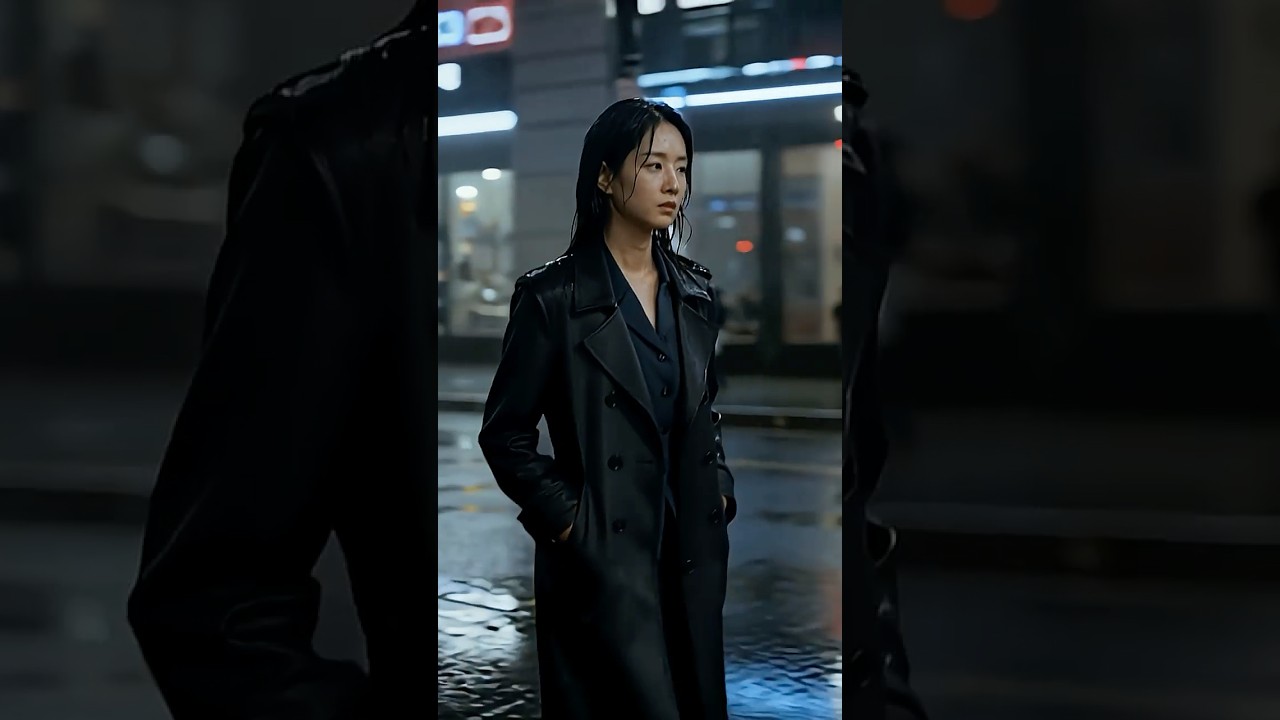
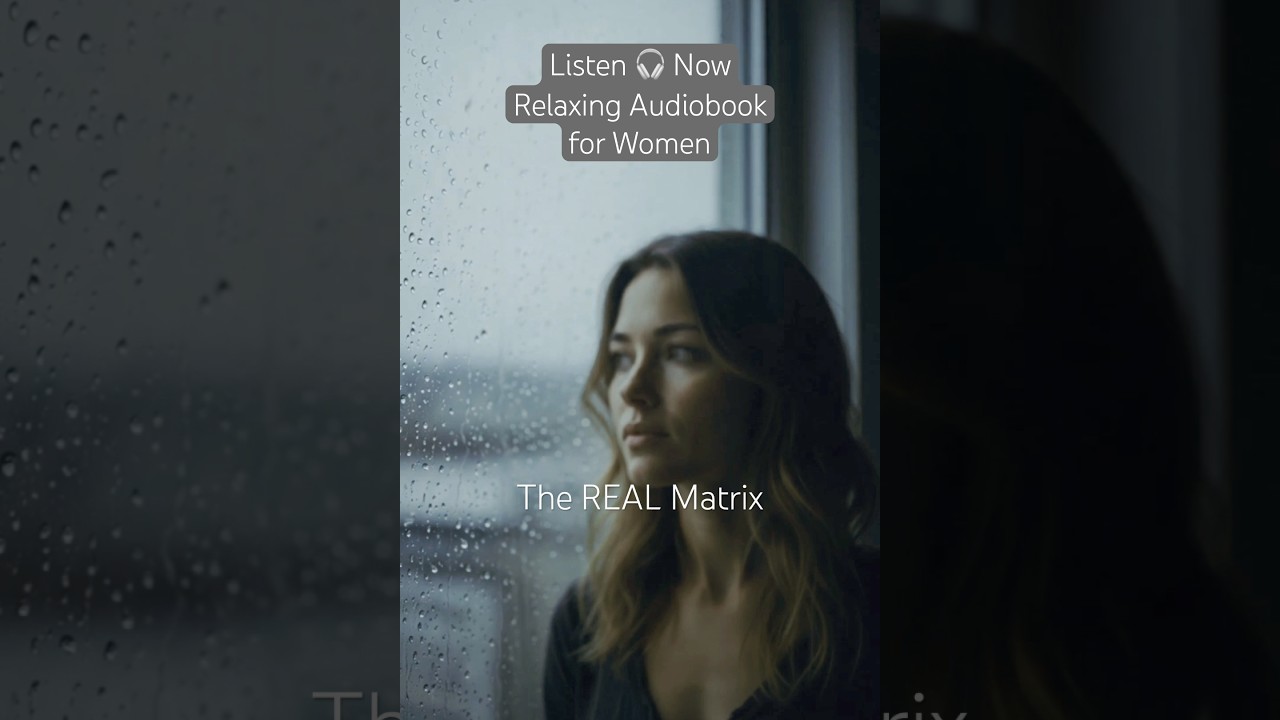
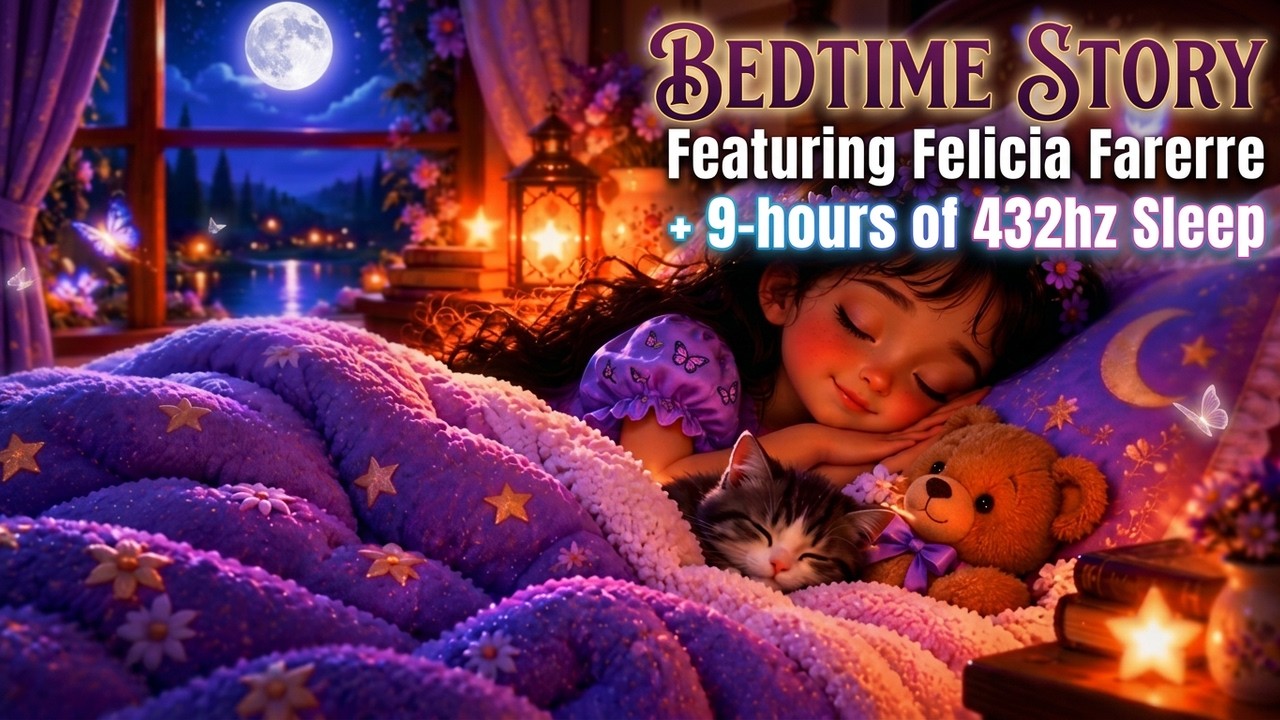
The split between formats matters when choosing one. Short videos reach an audience that is 96.2 percent female. Long form videos are 63.8 percent female, and 81.3 percent of those viewers are between 18 and 44. Women aged 25 to 44 sit at the center of the channel, so the person watching a three hour sleep video tonight is likely to be the same woman reading an article about self worth on her lunch break tomorrow.
Where the audience is
The largest single market is the Philippines, followed by Hong Kong, Taiwan, South Korea, Vietnam, Thailand, Indonesia, Singapore and Malaysia. Northeast India has grown quickly over the last year. Europe contributes a steady share through sleep and meditation viewing, and the United States audience is smaller than it once was and is building again around the books and women’s wellness.
That concentration is useful for a campaign. One video travels through the Philippines, Singapore and Malaysia within the same week, and a series can be scheduled so the sponsored placement lands in each market during the month a product is on shelf. Separate creators for separate countries are unnecessary. Videos are produced in English with subtitles in Chinese, Korean, Hindi, Vietnamese, Khmer and Thai, and the translated editions of this blog reach readers in the same places.
Products that fit this audience
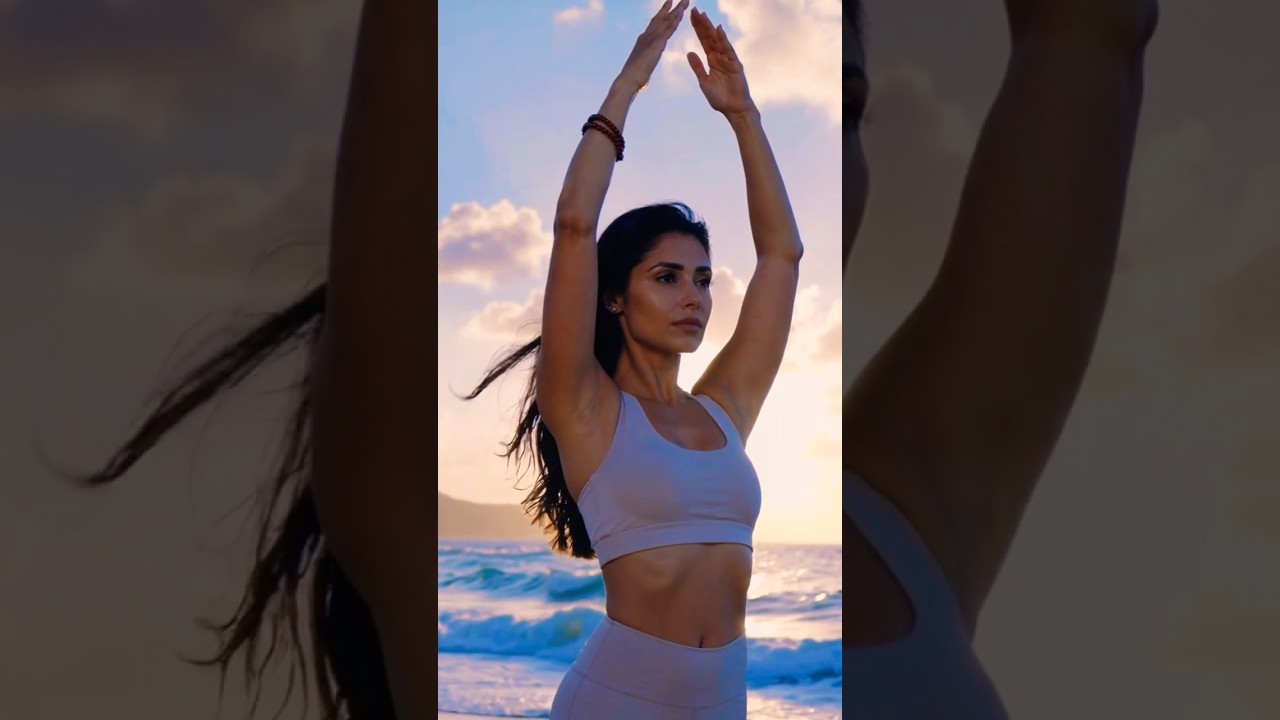
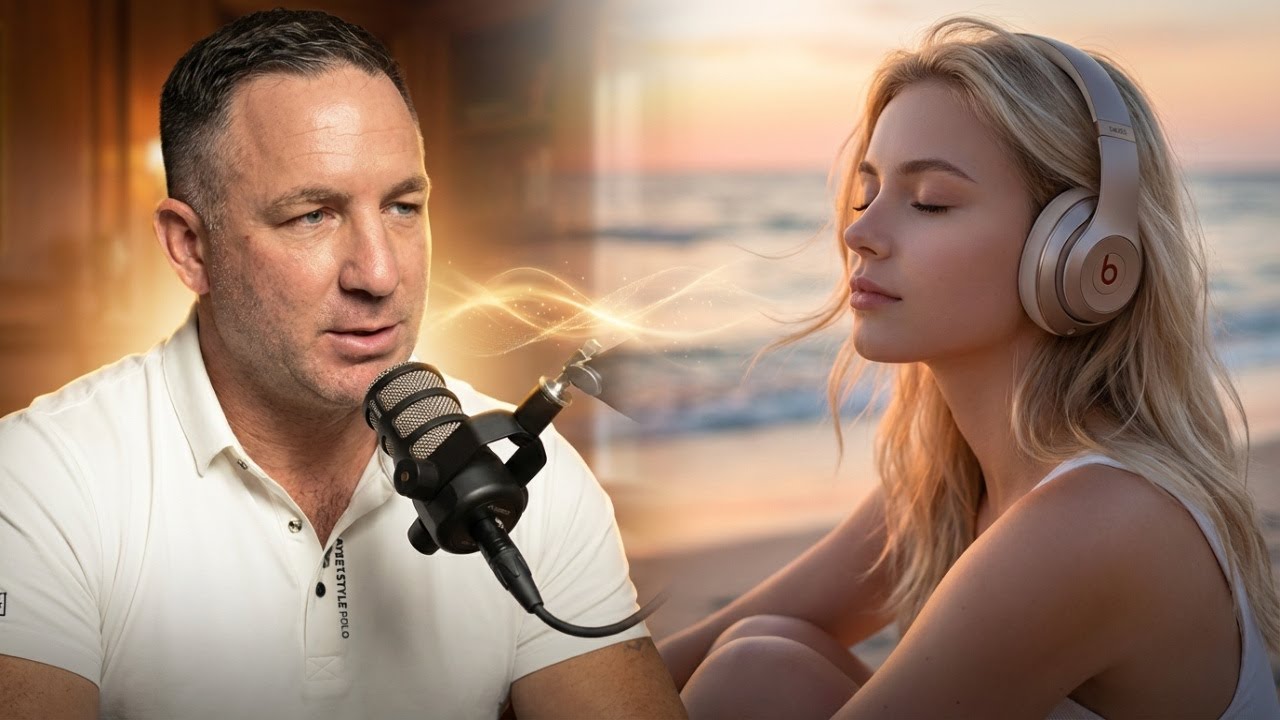
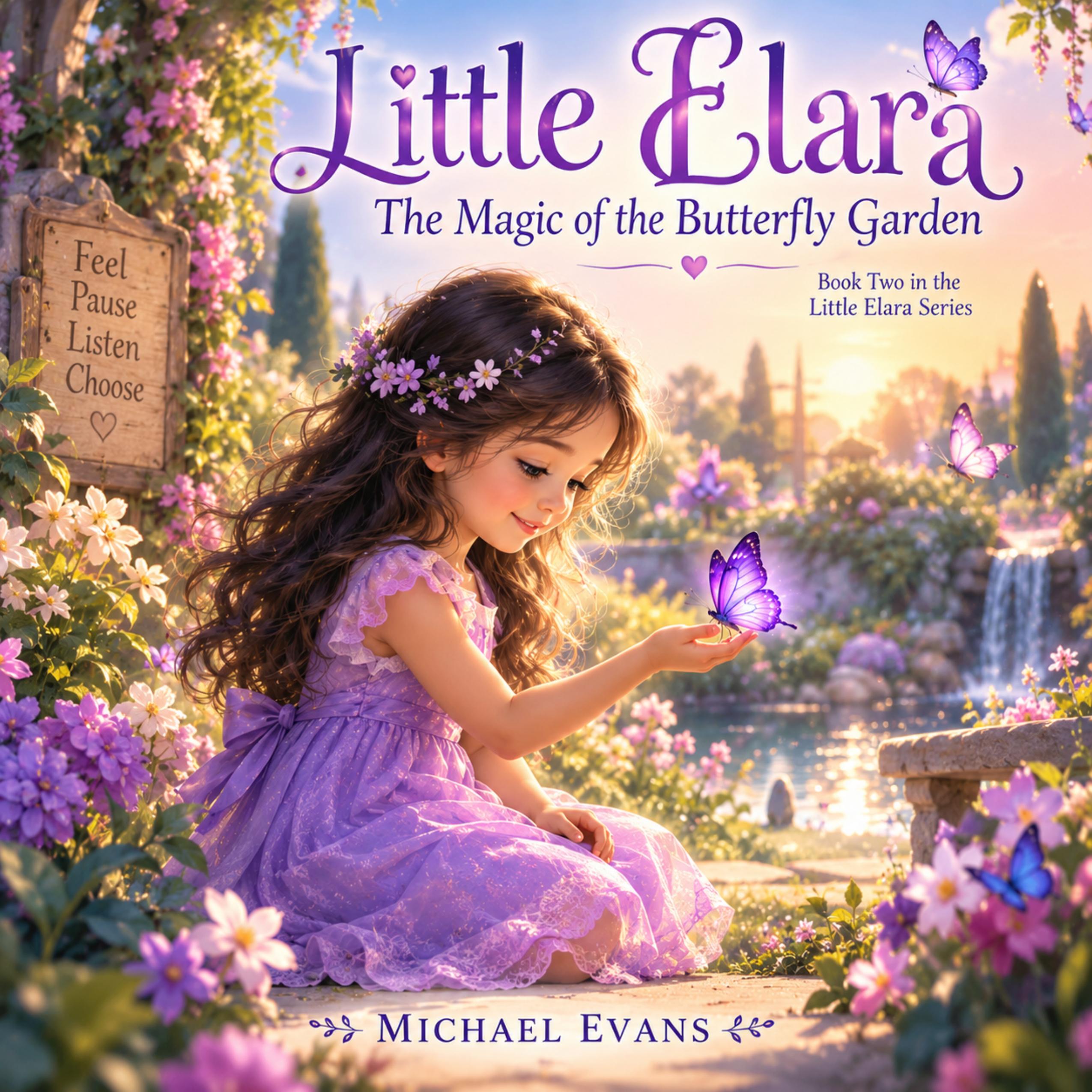
Beauty and skincare sit at the top of the list because most of the requests already come from there, and because women between 25 and 44 who follow a channel about skin, sleep and stress are a natural audience for it. Yoga, activewear and women’s clothing follow, largely because the audience keeps asking for longer meditation sessions and the shorts that accompany them. Headphones, earbuds and speakers have the strongest case of all, since people put them on before pressing play on three hours of audio. Sleep products, weighted blankets, bedside lamps and the rest of the nighttime home belong in the same videos. Children’s books and learning apps reach the mothers and teachers who follow the bedtime story editions, and wellness apps reach the people who write to me about anxiety and journaling.
Those categories come from what the audience already asks about in comments and email rather than from a market report. A product outside them needs a better reason than a budget.
Formats and pricing
There are six ways to work with the channel. A short form sponsored feature starts at $5,000 and places a product inside a sixty to ninety second video. A long form integration starts at $7,500 and sits inside an aligned video of ten minutes or more. A dedicated brand video starts at $15,000, with the concept, script, filming, editing and publishing handled by me. Sleep and ambient placement starts at $7,500 and runs at the open of a long sleep video. A book or storytelling collaboration starts at $10,000 and connects a product to the reading audience. Multi video campaigns start at $25,000 and combine formats across a season.
Prices move with scope. Paid media usage, whitelisting, category exclusivity, reposting and additional language versions are licensed separately. Every placement is written and spoken in my own voice, and I do not read copy handed over by a brand’s creative team. The audience notices that within a few seconds, and the placement stops working.
Sleep videos and long term sponsorships
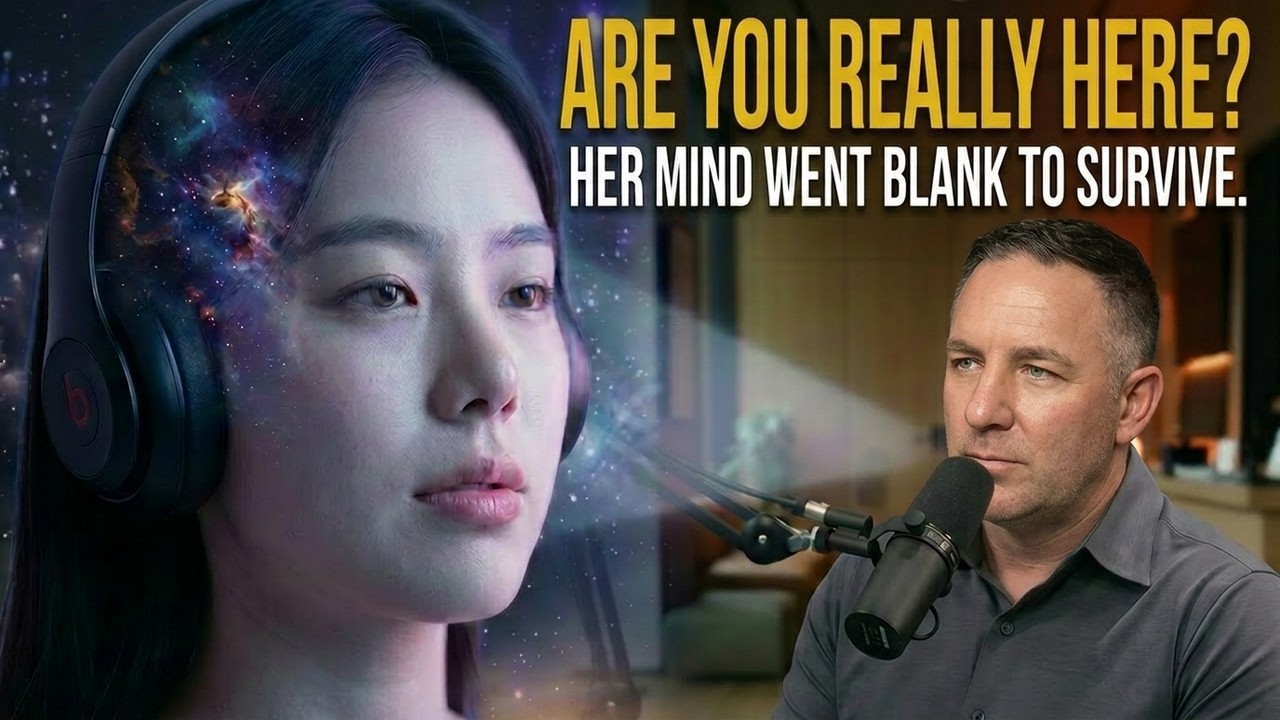
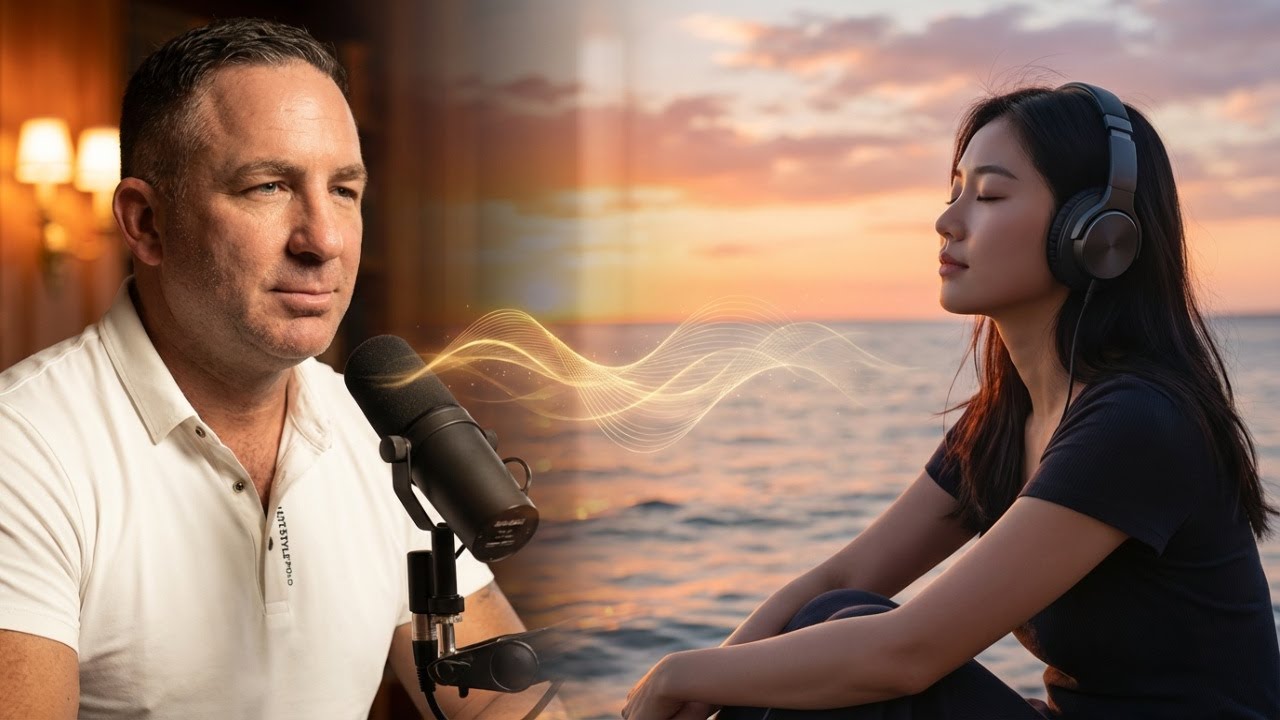
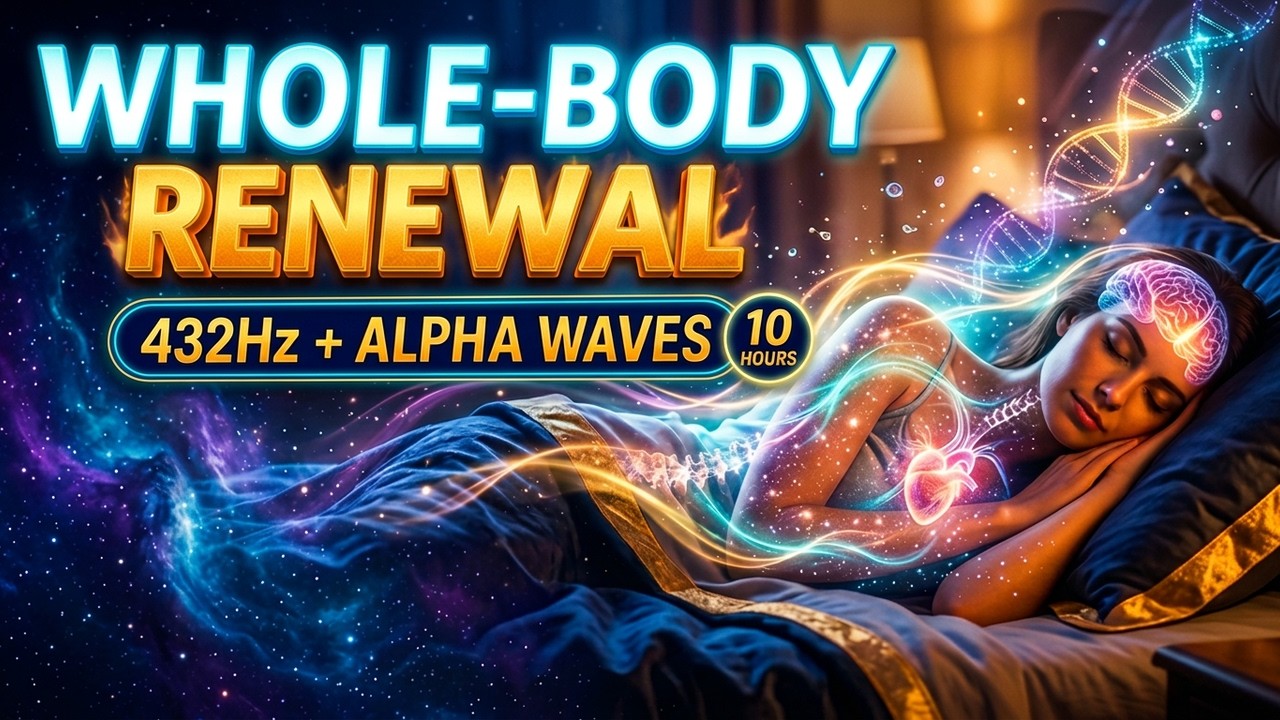
If I were a headphone brand, the sleep channel is where I would start. At the open of a sleep video a card reads sponsored by the brand, my voice says the same line once, and the name and link sit in the description and the pinned comment. Where the product appears on screen, it appears in the room the viewer is already looking at.
The video then stays up and the placement stays inside it, which is what makes a series worth buying. One announcement running across eight videos over a quarter keeps reaching new viewers after the campaign report has been filed, and the cost per thousand impressions improves while the campaign is technically finished.
Long term sponsorships are also the only arrangement where I will sign a category exclusivity clause. A brand that commits to a series for six months or a year can keep competitors out of that space for the duration, and the total comes in below the cost of booking the same placements one at a time.
Who I turn down
Crypto and forex promotions, gambling, supplements that make medical claims and anything requiring me to recommend a product I have not used are declined regardless of budget. Affiliate only and performance only offers are declined as well, and I have turned those down for years. Campaigns run on guaranteed compensation for production, which keeps the recommendation honest and the reporting simple.
How to apply
The application form lives on the paid brand collaborations page. It asks for the product, the market you are targeting, the budget range, the timing and the format you have in mind, and it accepts a deck or a one page brief. Applications are read by me rather than by an assistant, and a reply usually arrives within a week.
What stays free
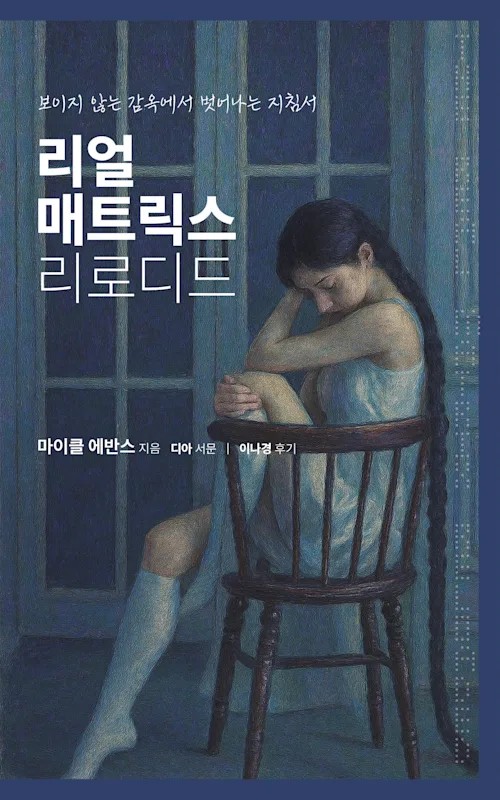
The books remain free in English, Chinese, Hindi and Korean. The sleep audio and the 432 Hz videos remain free, and videos without a fitting sponsor stay unsponsored. The articles keep being written whether a brand is attached to one of them or not. Advertising adds a way to fund the work without charging the people who need it, and that is the whole point of opening the channel in the first place.