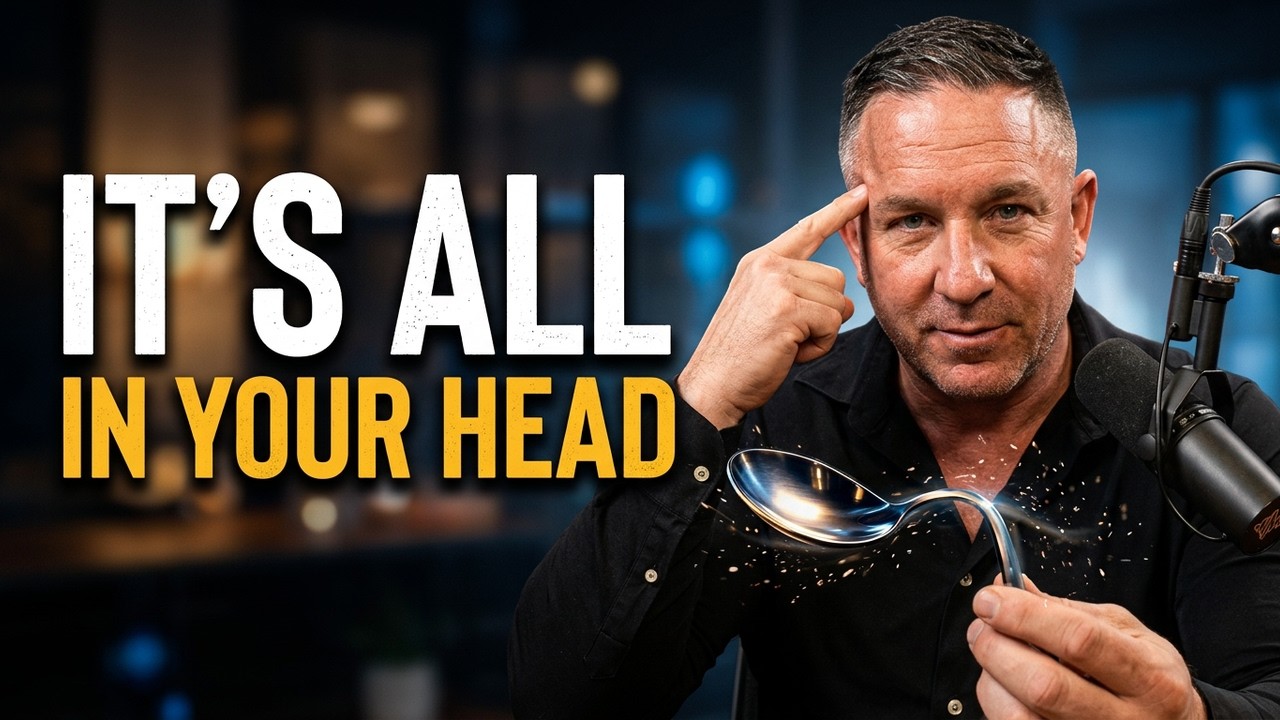
There is a scene in The Matrix that most people watch and then forget. Neo walks into an apartment full of children learning impossible things, and one of them is bending spoons with his mind. Neo tries it and fails. The child tells him why. Do not try and bend the spoon, he says, that is impossible. Instead, realize the truth. There is no spoon. Then you will see that it is not the spoon that bends. It is only yourself.
I have watched that scene a hundred times, and I no longer see it as science fiction. I see it as the most accurate description of chronic anxiety I know. The pressure you feel from the world is often a reflection of your own internal state. The burden you carry into every room was usually made inside you, long before you walked in.
My new video is called There is No Spoon: It's All In Your Head, and it is four and a half minutes about exactly this. Here is the thinking behind it.
The spoon is not in the room with you
Here is the cold version of that scene applied to your life. The spoon is the opinion of the person you are trying hard to please. The spoon is the cultural expectation you are breaking your back to carry. The spoon is the fear of rejection. There is no spoon.
None of those things are physically in the room with you. The person whose mood you are monitoring may not even be thinking about you. The expectation you are slaving under may be years old and borrowed from people who never met you. The rejection you fear may never come, and often it never has. Yet your body treats all of it like a weight sitting on your chest, and you spend your energy bending around things that were never there.
What the fawn response actually is
If you constantly people please, if you overexplain your boundaries, if you feel a physical wave of panic when someone is upset with you, there is a name for what your nervous system is doing. The therapist Pete Walker coined the term fawn response, and you can look it up right now.
When a person lives under chronic emotional stress, the brain's threat detector runs through its options. It cannot fight the person causing the pain, because that person matters to you. It cannot run away, because you have to see them again tomorrow. So it runs a third script. It merges. It fuses your safety with the needs of your environment, and it keeps everyone else comfortable because somewhere deep down, your nervous system has decided that keeping other people happy is a matter of life and death.
That is why people pleasing feels so exhausting. You are running a psychological marathon while sitting perfectly still. Nothing is chasing you, and yet every muscle is working.
Hypervigilance is not intuition
There is a second mechanism underneath it, and the scientist worth knowing here is Stephen Porges, who named it neuroception. His work shows that your body scans for threat continuously and completely below your conscious awareness. You do not decide to do this. Your nervous system does it for you.
This is why you walk into a room and instantly adjust your tone, your smile, your posture, to match whoever is in it. It feels like intuition. It feels like being sensitive, or emotionally intelligent, or a good read on people. Often it is none of those. It is hypervigilance, a survival habit left over from a time in your life when reading the room correctly was how you stayed safe.
The practical conclusion of the video is the sentence I want you to keep. Fear is not coming from the room you are in. It is coming from the script in your head. The moment you see that, the spoon vanishes.
Why you keep bending for people who only know how to take
People always ask me the same version of one question. Why do I keep doing this with people who only know how to take, when I can see clearly that it is hurting me?
Because your nervous system is haunted by a ghost. It is reacting to the past as if the past is still happening right now. The pattern was built when it kept you safe, and no part of you has been told yet that the emergency ended. So you keep paying protection money to a threat that has left the building.
A script that was learned can be unlearned
Here is the part that should give you hope, because it is the entire reason I make these videos. A biological script that was learned can be unlearned. Hypervigilance is not your personality. People pleasing is not your character. They are patterns your body picked up, and patterns can be interrupted. The mental churn runs on the same wiring, which is why learning how to stop overthinking is part of the same work.
You spent your whole life keeping everyone else safe and comfortable. If you are ready for the performance to end, that is real work, and it starts with seeing the spoon clearly: it was never in the room.
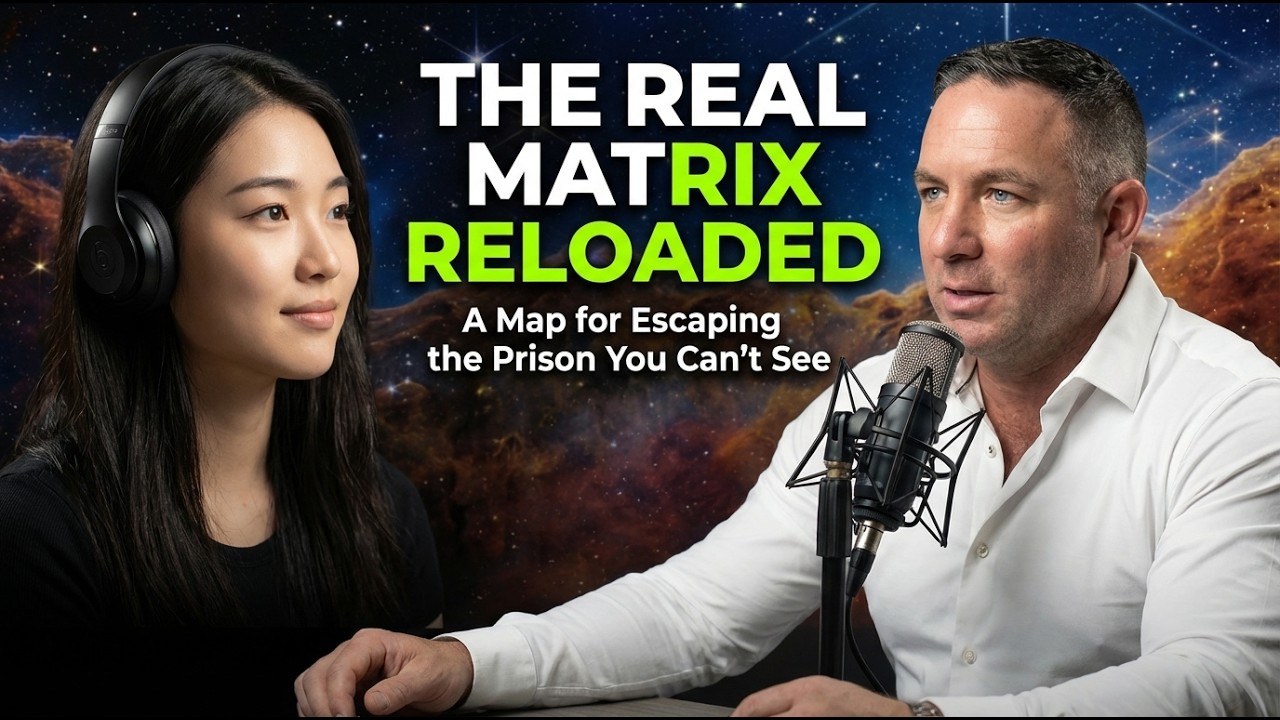
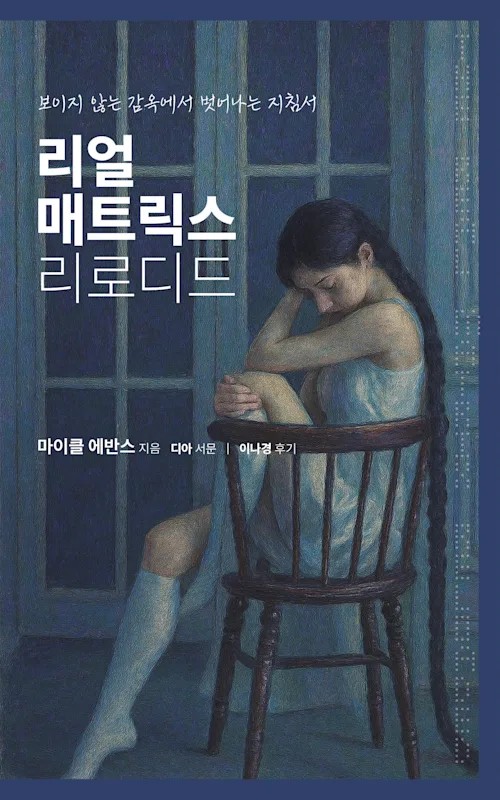
If you want to go deeper into the hidden beliefs, the conditioning, and the psychological scripts shaping the way you think and react and see yourself, that is exactly what my book The REAL Matrix Reloaded is for. The patterns you learned to survive do not have to become the patterns you live by. The complete audiobook is free to listen to on my YouTube channel.
Watch There is No Spoon: It's All In Your Head
Press play above, and let the four words do their work. There is no spoon. The question left over is the one the video ends on: what else have you been bending yourself around?
If it landed, subscribe on YouTube for weekly emotional health breakdowns, and tell me in the comments what you would like me to cover next.